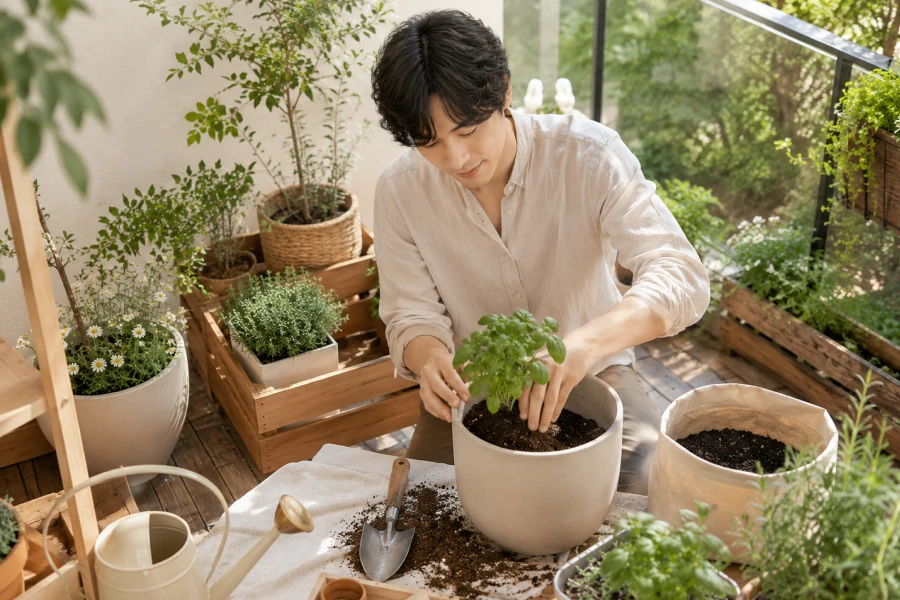
New gardeners often hesitate because every decision appears important at once. An easy beginner garden setup reduces that noise by turning a broad hobby into manageable first moves. You do not need a large yard, rare plants, or specialized equipment to begin. A sunny doorstep, balcony, patio, or small patch can teach the same essential lessons. Start with conditions you can observe rather than an imagined finished result. The first season works best when it feels curious rather than demanding. A few healthy plants reveal more than a cart filled with complicated options. Early success usually comes from keeping the project deliberately narrow. That choice makes mistakes affordable and progress easy to see. Soon, the new space feels less like a test and more like a pleasant routine.
Choose one place that receives reliable light and stays convenient for everyday checks. A location close to a door makes watering and harvesting easier to remember. Use one container group or one compact bed instead of spreading attention widely. This creates a visible beginning and a satisfying sense of completion. Measure the space before shopping so every item has a clear home. Look at nearby walls, railings, and trees for wind or shade patterns. Explore low maintenance landscaping when you want your first choices to stay simple over time. Keep a little empty room around plants for airflow and comfortable access. Crowding creates work later, especially when watering becomes inconsistent. A clear starting point makes it easier to enjoy learning as you go.
The best starter supplies are practical, reusable, and easy to store. Begin with good soil, containers with drainage, a hand trowel, and a watering can. Add gloves only if they make you more likely to spend time outside. Skip complex gadgets until a real need appears through experience. A sturdy tray beneath containers can protect decks, windowsills, and patio furniture. Use simple markers or a photo record if you want to remember what you planted. Focus purchases on comfort rather than novelty or decorative pressure. Many durable basics work for years when cleaned and stored properly. Buying less also leaves more budget for healthy plants and quality soil. That is a much better investment during your first growing season.
Beginners learn fastest when the garden can change without feeling like a failure. Containers allow you to move plants after discovering stronger afternoon sun or wind. Use small space garden tips to make a compact area feel useful without making it crowded. Start with a few compatible varieties rather than a long list of possibilities. As confidence grows, add one new element at a time and watch what happens. A trellis, extra pot, or narrow border can wait until the basics feel familiar. Photographs help you notice changes that happen slowly across several weeks. They can also show where empty space would improve the overall arrangement. The goal is discovery, not a permanent design on the first attempt. Flexible choices make the learning process feel much lighter.
Confidence comes from small actions repeated before problems become urgent. Check the soil when you pass by rather than setting a complicated daily alarm. Remove damaged leaves when they distract from the healthiest growth. Turn containers occasionally if one side receives much stronger light. Harvest herbs or vegetables at their peak so the garden keeps producing. A garden task planner can hold only the reminders that genuinely help you. Keep those reminders seasonal, because every week does not need the same attention. When a plant struggles, investigate its light and moisture before buying another solution. This habit teaches you to read the space instead of reacting out of frustration. Over time, ordinary care begins to feel intuitive.
Your first garden does not need to impress anyone to become worthwhile. It only needs to make outdoor time feel more inviting than it did before. Choose projects that fit your space, budget, and willingness to maintain them. Let the first season stay small enough to remain enjoyable during busy weeks. Each healthy leaf provides information you can use in the next planting decision. The best learning comes from observing what your home naturally supports. That knowledge travels with you to larger beds, new homes, and future seasons. A calm beginning prevents the hobby from becoming another unfinished obligation. Soon, you will notice what you want to grow more of next year. That feeling is the real foundation for a lasting garden.
Every useful garden begins with enough simplicity to make you return tomorrow. Let your first choices be practical, visible, and easy to adjust. Keep the tools, plants, and routine within reach of ordinary life. You will learn more from one cared-for container than from a crowded wishlist. As the season unfolds, notice what brings you outside without prompting. That is the clearest signal about what deserves more space next year. There is no need to rush toward a finished look or a larger project. A good beginning builds confidence through small wins and gentle observation. With each healthy plant, the garden becomes more familiar and more personal. That steady progress is exactly what makes a new hobby last.


Leave a comment