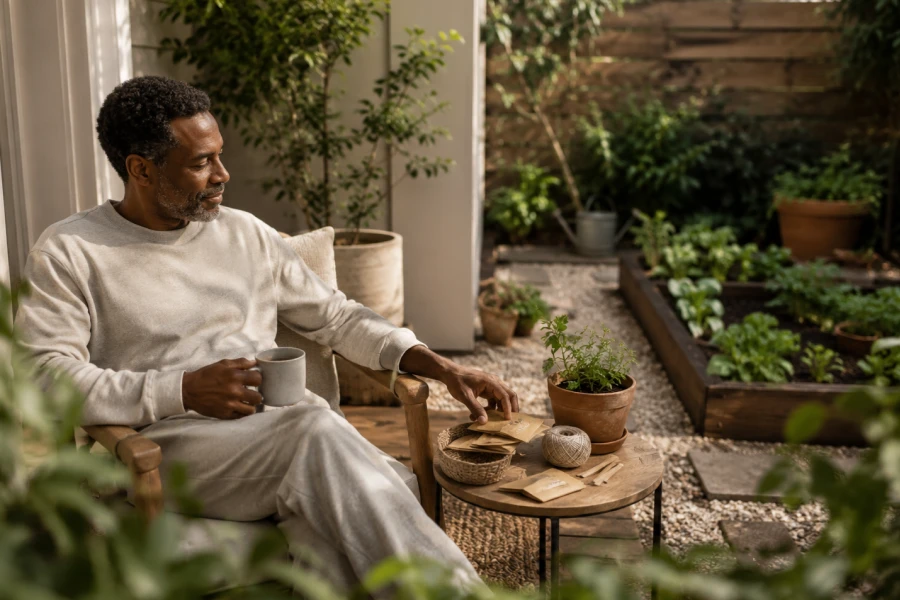
Garden projects often become tiring when every sunny weekend begins with a new idea. A simple garden planning routine replaces that scattered energy with a short, seasonal rhythm. It gives your attention a home before the nursery visit or spontaneous online order. Instead of trying to improve everything, you decide what matters during this month. That could mean stronger soil, a cleaner path, or one container of fresh herbs. Small priorities protect your budget and keep the space visually coherent. They also make progress easy to recognize from one week to the next. You begin to trust a few useful actions instead of chasing every trend. The result feels calmer, even when the garden is still growing. That calm is what makes regular care sustainable.
Start each month by looking at the garden before making any new purchases. Notice bare areas, dry corners, crowded pots, and plants that need support. Then choose one project that improves how the space functions every day. A clear path may matter more than another decorative flower at this stage. Write the project on a note where you can see it before the weekend begins. Keep the list short enough that you could finish most of it before lunch. That boundary leaves room for unexpected weather and ordinary household plans. It also keeps gardening connected to pleasure rather than pressure. When the first task is done, decide whether you actually want another. A plan works best when it supports your energy instead of consuming it.
Seasonal timing gives each job a natural place and prevents unnecessary effort. Spring is useful for clearing, planting, and setting up easy access to water. Summer favors observation, harvesting, and quick adjustments after heat or storms. Autumn is ideal for mulch, tidy borders, and notes about what worked well. Winter can remain quiet except for planning, seed sorting, or tool care indoors. Use a no fuss vegetable patch only when you have light, soil, and attention to support it. A modest planting often produces more joy than a large project you cannot maintain. Let local weather guide the pace more than an arbitrary calendar date. This makes the work feel responsive rather than rigid. Your garden develops a rhythm that fits the actual place where it grows.
Overplanting usually begins with optimism, then becomes work when every pot needs attention. Limit new additions until you understand how the existing plants behave together. Repeat varieties that thrive rather than constantly introducing unfamiliar demands. A few dependable colors and textures can look more polished than a crowded collection. Keep empty space visible so air, light, and your own movement remain comfortable. Leave room for seasonal experiments in one small container or border edge. That protects the rest of the garden from becoming an accidental testing ground. Use containers for plants that might need moving later in the season. When each addition has a reason, the overall space feels much easier to manage. Restraint is a design skill that saves both time and money.
A useful task list focuses on jobs that improve the next several weeks. Build a realistic weekend garden routine around watering, harvesting, and simple cleanup. Choose tasks that can happen with one set of tools and one trip outside. For example, you might water deeply, remove damaged leaves, and sweep the path. Avoid adding chores just because they seem traditionally necessary. Let the garden show you what needs attention through visible changes. A five-minute inspection often reveals enough for the whole week. Stop when the space looks cared for and still feels enjoyable to use. Longer sessions can remain optional, not required for success. That distinction keeps gardening flexible during full seasons of life.
After a few months, the planning process becomes less formal and more intuitive. A stress free garden setup grows from repeated choices that proved useful in your own space. You remember which corner dries quickly and which pot needs afternoon shade. You also learn which tasks create the biggest visual difference for the least effort. That knowledge is more valuable than a complicated calendar filled with reminders. It lets the garden adapt smoothly when weather or schedules change suddenly. The routine should feel like a helpful rhythm, not a strict performance. With a few thoughtful priorities, even a small outdoor space can stay inviting. Your time outside becomes restorative because it produces visible, manageable progress. That is the kind of planning worth keeping season after season.
Planning becomes powerful when it gives your garden a direction without taking away its ease. Choose one helpful priority, complete it, and then enjoy the change it creates. Leave enough open time for surprise blooms, fresh air, and unplanned moments outside. The most sustainable gardens still have room for a little spontaneity. A short list helps you focus without turning every visit into a work session. Over time, the routines that remain will be the ones that truly fit your life. That makes the garden more resilient because it is supported by habits you enjoy. Even a few minutes of thoughtful care can keep the whole space moving forward. The result is a garden that grows with you instead of demanding constant reinvention. That is a much gentler way to make outdoor space feel like home.




Leave a comment