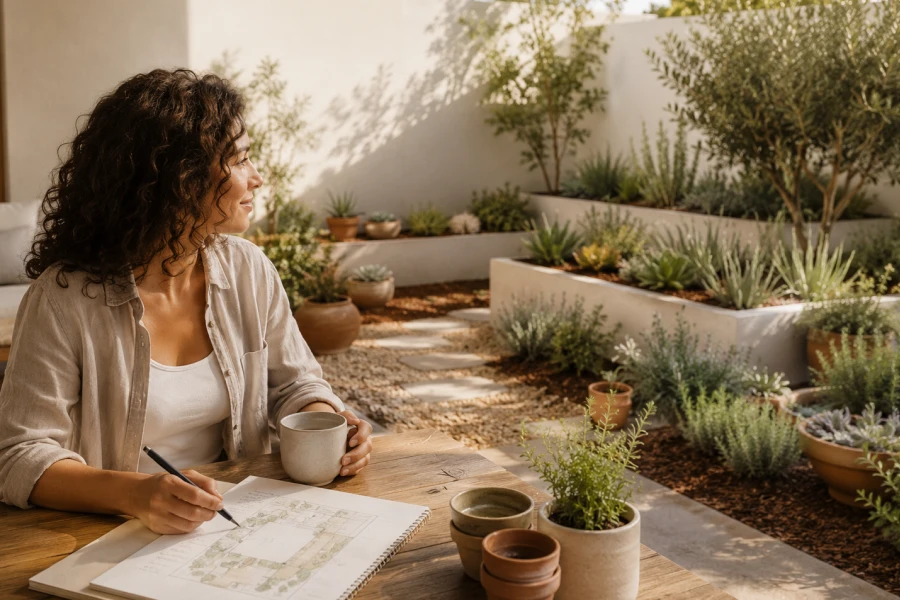
A garden feels more inviting when it does not demand every free afternoon. A low maintenance garden plan creates that breathing room before a single plant reaches the soil. Rather than chasing a picture-perfect yard, it begins with the life you actually live. Notice how much sun reaches each area and how often you naturally pass nearby. Those details matter more than ambitious sketches copied from a magazine spread. Smart limits reduce watering, hauling, pruning, and last-minute plant replacements later. Even a narrow border can feel abundant when every choice has a purpose. The goal is not neglect disguised as simplicity. It is a garden that rewards modest effort with visible progress. That balance leaves space to enjoy the season instead of merely managing it.
Begin by deciding what level of attention feels enjoyable, not what sounds impressive. A realistic plan respects busy weeks, travel, weather shifts, and ordinary tired evenings. Choose one central area that you can see from a window or doorway daily. Frequent visibility helps you notice dry soil before it becomes a larger problem. It also makes small blooms and new leaves feel like a welcome reward. Use low effort garden ideas to narrow the first round of decisions. Avoid scattering projects across the entire yard during your first season. One finished corner builds confidence more effectively than five unfinished projects. Leave unused space open until you understand how you move through it. A plan with room to evolve is easier to keep than a strict master design.
Sunlight should shape your choices long before color or decoration enters the conversation. Spend several days watching which spots receive full sun, dappled light, or deep shade. Then place thirsty or high-performing plants where conditions already support them. This approach prevents endless adjustments after the garden starts looking stressed. A beginner garden layout can keep pathways, containers, and beds easy to reach. Keep walking routes broad enough for a hose, basket, or small wheelbarrow. Group similar needs together instead of creating many tiny specialty zones. That single decision makes watering and cleanup noticeably faster. Containers also work beautifully when soil quality or rental restrictions complicate planting. They allow a first-time gardener to test ideas without committing the whole yard.
Mulch, edging, and sturdy containers are quiet tools that save time repeatedly. A thick layer of mulch slows evaporation and makes weeds easier to spot. Simple borders keep soil where it belongs after heavy rain or regular watering. Choose materials that can stay outside comfortably through your local weather. Avoid decorative pieces that require polishing, repainting, or careful seasonal storage. The best hardscaping details make maintenance less visible rather than more complicated. Keep supplies close to the work area in a weather-safe bin. That small convenience removes the friction that makes five-minute jobs feel enormous. When tools are easy to grab, minor care happens before it becomes a weekend project. Good materials turn recurring chores into simple habits.
Reliable gardens often depend on repetition more than constant novelty. Use the same few plant families across beds, pots, and edges for easier care. Look for easy care plants that suit your light levels and climate. Repeated varieties make it simpler to remember watering needs and seasonal timing. They also create a calmer visual rhythm that feels intentional from every angle. Save experimental plants for one small test container rather than the main bed. That way, an unsuccessful choice does not interrupt the entire composition. Choose fuller plants that naturally shade soil and limit weed growth. Let vines climb supports instead of spreading across paths and competing for space. The garden becomes easier when plants perform several useful roles at once.
A brief weekly reset protects the relaxed feeling you wanted from the beginning. Walk the space with one basket and remove only what looks obviously tired. Check moisture near roots rather than judging soil from the surface alone. A simple watering plan keeps that care focused and avoids unnecessary daily routines. Water deeply when needed, then let soil breathe between sessions. Harvest herbs, vegetables, or blooms before they become another neglected task. Take notes only when a lesson feels useful for the next season. You do not need a detailed journal to remember one helpful observation. Small rituals keep the space attractive without turning it into a second job. Most importantly, they make the garden feel like a place to pause.
The most successful easy-care garden is designed around your habits, not against them. It welcomes an imperfect week without collapsing into weeds and guilt. Focus on access, durable materials, and plants that suit the site naturally. Build slowly enough to notice what works before adding another layer. With that approach, every season teaches you something useful and manageable. The yard starts to feel more personal because it reflects your real rhythms. Friends may notice the calm first, long before they ask about individual plants. That is often the sign that the design is doing its job. A garden should support your life with beauty, fresh air, and small discoveries. It should never require you to become someone else to keep it alive.




Leave a comment